

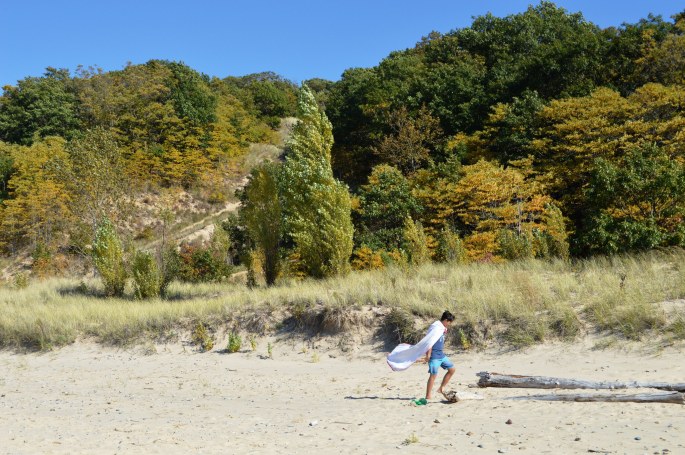
This may sound weird but all my life I have regularly given myself assignments. OK. Maybe not so weird for someone who ended up becoming a teacher but when I say assignments, I am not talking about the traditional kind. I’ve assigned myself tasks like, get to know every tree in my neighborhood. What are their names? What have they witnessed? Who lives in them? What about them is edible? This has been an ongoing assignment from the age of seven actually.

Another mission I gave myself was to make friends with an elder in my community. I chose Ray Kell and by proxy his wife Vivian. Ray is 91 years old now. Vivian is 90. I have called them my friends since they were in their early 70’s. Ray and Vivian have ten children, 33 grandchildren, 17 great grandchildren and counting. Ray is a veteran of World War 2. He and Vivian are activists for peace, justice, and equality. He plays the piano and sings at least an hour every day. Preferably more. Sometimes you have to beg him to stop. He still plays 18 holes of golf and carries his own clubs. When he was 84, Ray raced me up five flights of stairs and beat me. The Kell’s vegetable garden is spectacular and feeds many in their neighborhood. They work every Monday from 6:00AM until 1:00PM in the Manna Meal Soup kitchen. Every year for the past 20, he and Vivian pack up their car and travel the country for six weeks visiting all their kids and grand kids while camping. In a tent! On Ray’s 90th birthday he challenged himself to do a freestanding headstand and hold it. He achieved his goal in the middle of his daughter’s backyard while his grandson played a three minute waltz on the violin. I guess you could say Ray also gives himself assignments. He certainly lives a life of meaning, purpose, and intention and I aspire to be more like him.
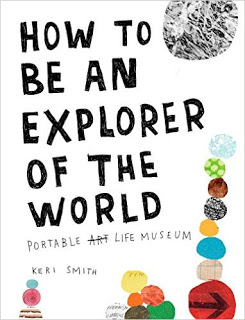
Which might be why I regularly assign myself reading. Two Summers ago, I read How to Be an Explorer of the World by Keri Smith. And guess what?! The book is filled with interesting assignments, only she calls them explorations. I highly recommend it. The author challenges you to collect tiny things and make a mini museum in an Altoids tin. She suggests making sculptures out of ten things you find in a drawer. There are 59 different explorations. Most of them involve field work. Keri Smith offers 5 field work tips. I would like to add a sixth one based on personal experience and follow it up with ten explorations, not in the book, that I found made my life, and occasionally the lives of those around me, better.
-
Never leave home without a notebook and pen.
-
When practicing deep looking or deep listening, it is best to work alone.
-
Respect the community in which you explore. This applies to all aspects of nature, human or otherwise and also includes property, public or private
-
If you find yourself being questioned as to the reasons for your activities, the phrase, “I’m conducting research” usually satisfies the nosiest interloper.
-
Expect the unexpected and you will find it.
1. Never pass up an opportunity to dip, dive, slide, swing, glide, skip, twirl, rock, or dunk.
2. Look for the color purple everywhere you go. Read The Color Purple by Alice Walker. Pay Attention to what Shug says. “Shug a beautiful something.”
 Lucky Pilgrim